

There’s no doubt about it – The Fly By Night loves clubbing. She has done since the first time her...
Gett ing around in Vietnam is stupidly easy. Around the main backpacker areas are numerous mini travel agencies selling tours,...
A tent, a beach, a chap called Man, and a man who is most definitely Benito Del Toro's secret Thai brother...
Journey to the heart of darkness
A trip to Cambodia was always going to be a bittersweet affair. All the people we have met here have been amazing – quietly smiling teenage girls shyly serving up your bowl of fiery curry; over excited children with shining eyes and their cries of “Hello, what is your name?”; and cheeky tuk tuk drivers who won’t take no for an answer – “Tuk tuk pretty lady? Why not? I give you good price!”. But underneath all of this is the very real fact that just over thirty years ago, the country’s own government wiped at least a quarter of the population through murder, torture, starvation and disease. Now, a staggering 50% of the population are under 18. Cambodia’s new generation are clearly bouncing back, anxious to forget their ancestor’s brutal history. But it’s hard not to dwell on what happened when you can feel the ghosts of the past all around you – and nor would it be right to ignore it.
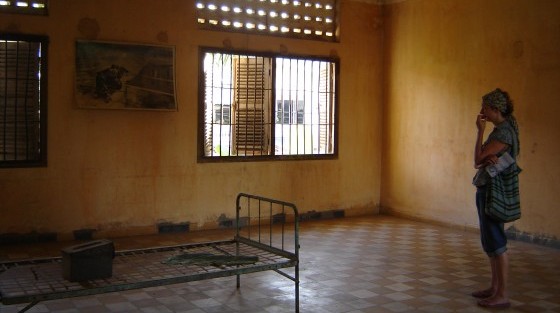
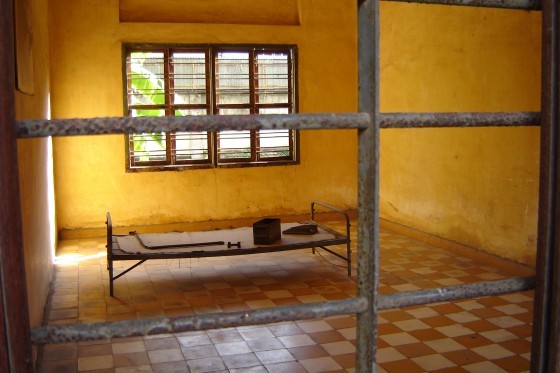
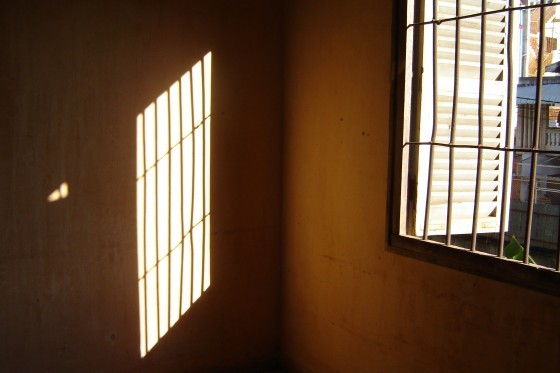
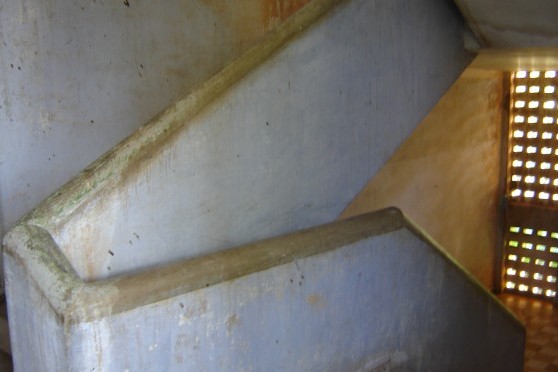
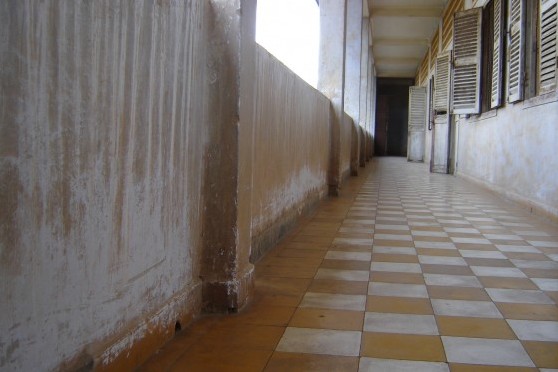
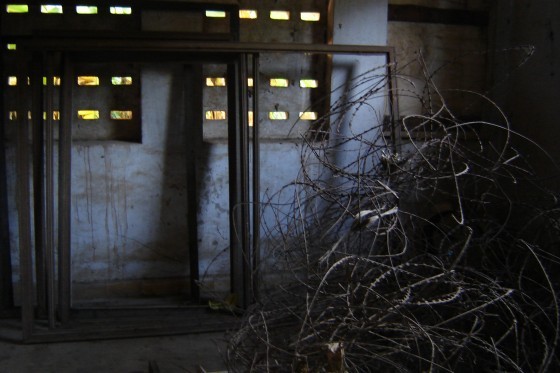
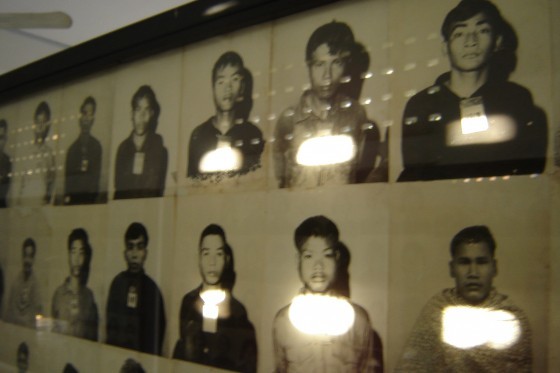
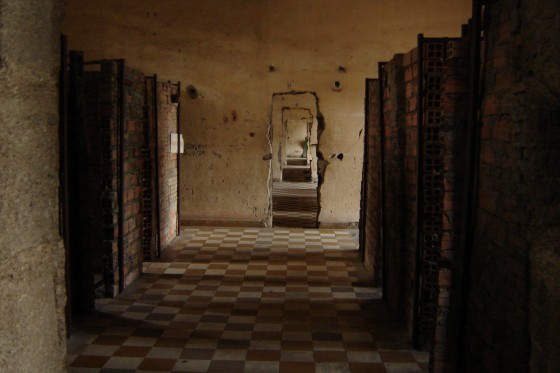
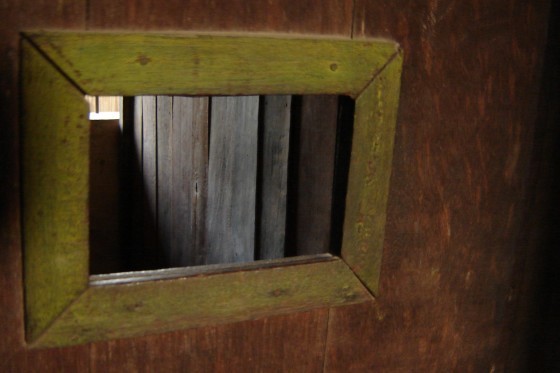
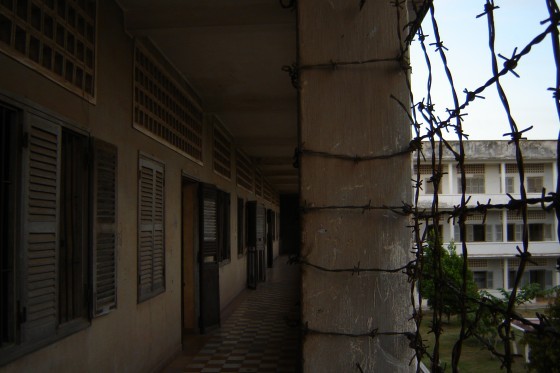
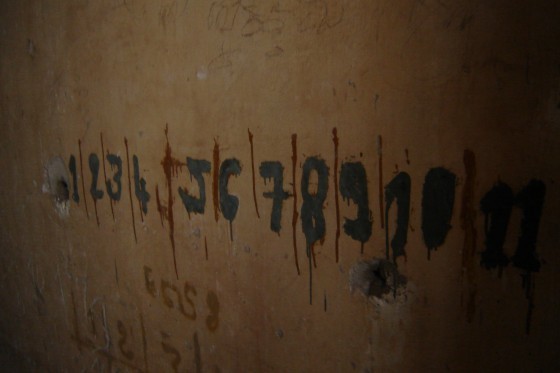
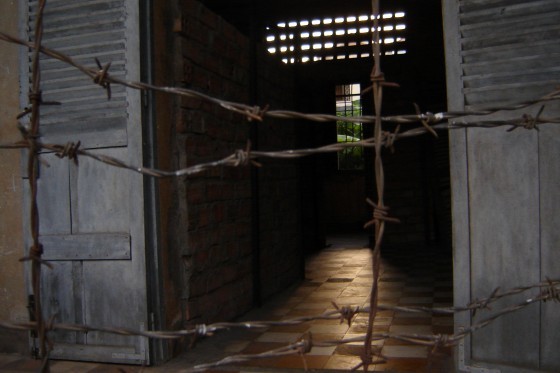
Visiting Tuol Sleng, Phenom Phen’s Genocide museum, is a truly heartbreaking experience. The museum is housed in an old school that the Khmer Rouge used as a security prison, and walking around the compound you can see rooms used for torturing high officials, tiny cells where other prisoners were piled in, and hundreds upon hundreds of photos starring out at you – young, old, men, women and children – some petrified, some defiant, some defeated. Barbed wire lined the walls to stop desperate prisoners trying to commit suicide by jumping off. Up to 30,000 prisoners were held here during the Khmer Rouge’s reign – only 7 came out alive.
There aren’t really words to describe the experience of visiting Tuol Sleng, so instead here are a few photographs followed by a powerful poem from Sarith Pou, describing how life changed under the Khmer Rouge.
Photography by Timur
‘The New Regime’ by Sarith Pou
No religious rituals.
No religious symbols.
No fortune teller.
No traditional healers.
No paying respect to elders.
No social status.
No education. No training.
No school. No learning.
No books. No library.
No science. No technology.
No pens. No paper.
No currency. No bartering.
No buying. No selling.
No begging. No giving.
No purses. No wallets.
No human rights.
No liberty.
No courts. No judges.
No laws. No attorneys.
No communications.
No public transportations.
No private transportations.
No traveling. No mailing.
No inviting. No visiting.
No faxes. No telephones.
No social gatherings.
No chitchatting.
No jokes. No laughters.
No music. No dancing.
No romance. No flirting.
No formication. No dating.
No wet dreaming.
No masturbating.
No naked sleepers.
No bathers.
No nakedness in showers.
No love songs. No love letters.
No affection.
No marrying. No divorcing.
No marital conflicts. No fighting.
No profanity. No cursing.
No shoes. No sandals.
No toothbrushes. No razors.
No combs. No mirrors.
No lotion. No make up.
No long hair. No braids.
No jewelry.
No soap. No detergent. No shampoo.
No knitting. No embroidering.
No colored clothes, except black.
No styles, except pajamas.
No wine. No palm sap hooch.
No lighters. No cigarettes.
No morning coffee. No afternoon tea.
No snacks. No desserts.
No breakfast [sometimes no dinner].
No mercy. No forgiveness.
No regret. No remorse.
No second chances. No excuses.
No complaints. No grievances.
No help. No favours.
No eyeglasses. No dental treatment.
No vaccines. No medicines.
No hospitals. No doctors.
No disabilities. No social diseases.
No tuberculosis. No leprosy.
No kites. No marbles. No rubber bands.
No cookies. No popsicle. No candy.
No playing. No toys.
No lullabies.
No rest. No vacations.
No holidays. No weekends.
No games. No sports.
No staying up late.
No newspapers.
No radio. No TV.
No drawing. No painting.
No pets. No pictures.
No electricity. No lamp oil.
No clocks. No watches.
No hope. No life.
A third of the people didn’t survive.
The regime died.



No Comments
Dang! Comments are now closed...